
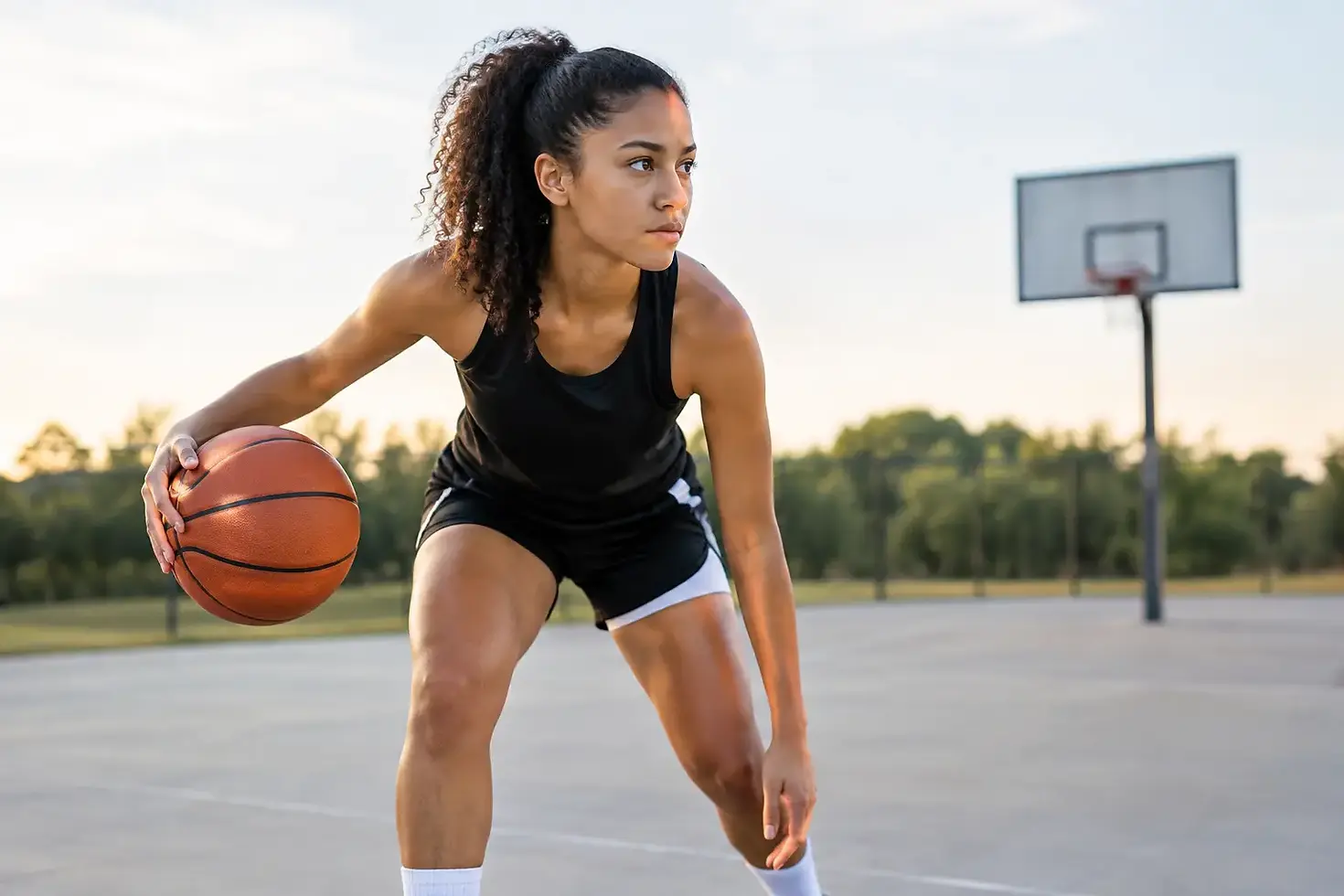
Basketball Tryout Preparation That Gets You Ready

A tryout can feel like every dribble, missed shot, and sprint is being judged. That pressure is real, but basketball tryout preparation gives players something better than hope: a plan. The goal is not to become a different player in one week. It is to show coaches the most prepared, coachable, competitive version of yourself.
At KOPA Basketball, we believe players earn confidence through purposeful work. Skills matter. Conditioning matters. But the habits you bring into the gym - effort, communication, body language, and respect - often determine whether a coach can picture you helping the team.
Start Basketball Tryout Preparation Early
The best preparation begins before the week of tryouts. Waiting until the last few days creates rushed workouts, tired legs, and unnecessary anxiety. A player who starts two to four weeks early can build rhythm without trying to force dramatic changes overnight.
Begin by taking an honest look at your game. Are you comfortable handling the ball under pressure? Can you finish with either hand? Do you lose focus when shots are not falling? Can you sprint hard for several possessions in a row? Honest answers create useful training goals.
Parents can help by keeping the process steady. Encourage effort and consistency rather than turning every workout into a verdict on whether your child will make the team. Young athletes perform better when they know they are supported, challenged, and allowed to learn.
Build a simple weekly rhythm
A strong week includes skill work, conditioning, recovery, and time to reset mentally. More is not always better. A player who trains hard every day without rest may arrive at tryouts fatigued or sore.
For most youth players, three to five focused sessions each week are enough when the work has purpose. Use one session for ball handling and passing, one for shooting and finishing, one for game-speed movement and conditioning, and another for live play if possible. Keep the final day before a tryout light. Get shots up, move your feet, stretch, and leave the gym feeling fresh.
Train the Skills Coaches Notice First
Coaches do not expect every player to be the leading scorer. They do look for players who can perform foundational skills at game speed and make the people around them better.
Handle the ball with your eyes up
Ball handling is not about performing the fanciest move. It is about protecting the ball, changing direction with control, and seeing the floor. Practice both hands. Work on stationary pounds, crossovers, between-the-legs dribbles, and change-of-pace moves, then add movement.
Keep your head up as often as possible. At a tryout, coaches want to see whether you can recognize teammates, defenders, and open space. A player staring at the ball may have talent, but a player who sees the game can make better decisions.
Shoot with balance, then compete for rebounds
A reliable shooting routine starts close to the basket. Make controlled form shots, focusing on balance, a consistent release, and a clean follow-through. Move outward only when your mechanics stay solid. Chasing long makes with poor form does not build confidence.
Also prepare for the shots you will miss. Coaches notice players who follow their shot, pursue rebounds, and make a second effort. A missed jumper followed by a strong box out can make a better impression than a made jumper followed by standing still.
Finish through contact and use both hands
Layups are often tested because they reveal coordination, footwork, and composure. Practice right-hand and left-hand finishes from different angles. Add jump stops, pivots, and simple finishes after a change of direction.
As players get older, defenders will make finishing harder. Learn to protect the ball with your body, take contact without losing balance, and finish under control. You do not need to force a difficult shot every time. A smart pass to an open teammate is a winning basketball play.
Get Your Body Ready for the Pace
Tryouts are tiring because coaches want to see who can maintain focus when their legs are heavy. Conditioning is not punishment. It is preparation to sprint back on defense, make one more cut, and stay engaged late in a drill.
Use basketball-specific movement rather than only long-distance running. Short sprints, defensive slides, closeouts, shuffles, backpedals, and repeated change-of-direction work better match what happens in a game. Keep your stance athletic: hips low, chest up, feet active.
You can combine skill and conditioning. Dribble hard from baseline to baseline, finish, sprint back, then repeat. Take a shot, close out to an imaginary shooter, slide twice, and chase down the rebound. These drills teach players to execute skills while breathing hard.
Recovery has a place here, too. Sleep is part of training. So are regular meals, water throughout the day, and light stretching after workouts. Do not try a new diet, supplement, or extreme workout right before tryouts. Familiar routines usually serve young athletes best.
Bring a Team-First Presence
Talent may get attention, but coaches build teams around trust. They watch how players react after a turnover, whether they listen when instructions change, and how they treat teammates who are struggling.
Talk on defense. Call out screens. Encourage a teammate after a mistake. Run to the next drill instead of walking. Make eye contact when a coach is speaking. These actions are simple, but they show maturity and respect.
Body language matters most when things do not go your way. You may miss several shots. You may be placed with unfamiliar players. You may receive correction in front of the group. Do not roll your eyes, complain, or disappear. Take the feedback, respond with effort, and move to the next play.
This does not mean players should become silent or afraid to make mistakes. Good tryout energy is confident, positive, and controlled. Compete hard without trying to prove you are better than everyone else.
Know What to Do During the Tryout
Arrive early enough to settle in, use the restroom, tie your shoes, and warm up without rushing. Bring water and wear gear that fits well and allows you to move. Introduce yourself when appropriate, and be ready before the first whistle.
During drills, listen for the full instruction before starting. If you do not understand, watch a quick repetition or ask a brief, respectful question. Then go hard. Coaches understand that players may need to learn a new drill. What stands out is the athlete who pays attention, adjusts quickly, and gives full effort on the next rep.
In scrimmages, avoid two common mistakes: trying to do everything alone and trying to hide. Make the simple pass. Cut with purpose. Defend your matchup. Rebound outside your area. If you get an open, balanced shot, take it confidently. If help defense comes, move the ball.
A useful rule is to make your next play a winning play. After a turnover, sprint back. After a missed shot, rebound. After getting beat, communicate and recover. Coaches remember players who respond well to adversity.
Prepare Your Mind the Night Before
The night before is not the time to obsess over the roster. Pack your bag, set out your clothes, drink water, eat a normal meal, and get to bed. A calm routine reduces the feeling that tryouts are an emergency.
Before you step on the court, choose two or three controllable goals. You might commit to communicating on every defensive possession, sprinting into every drill, and encouraging teammates. Those goals give you direction even if a shot does not fall.
Nerves are not proof that you are unprepared. They are often proof that you care. Take a slow breath, trust the work you have done, and compete with purpose. Whatever the outcome, the habits built through basketball tryout preparation will continue to strengthen your game, your confidence, and the teammate you become.


Comments