
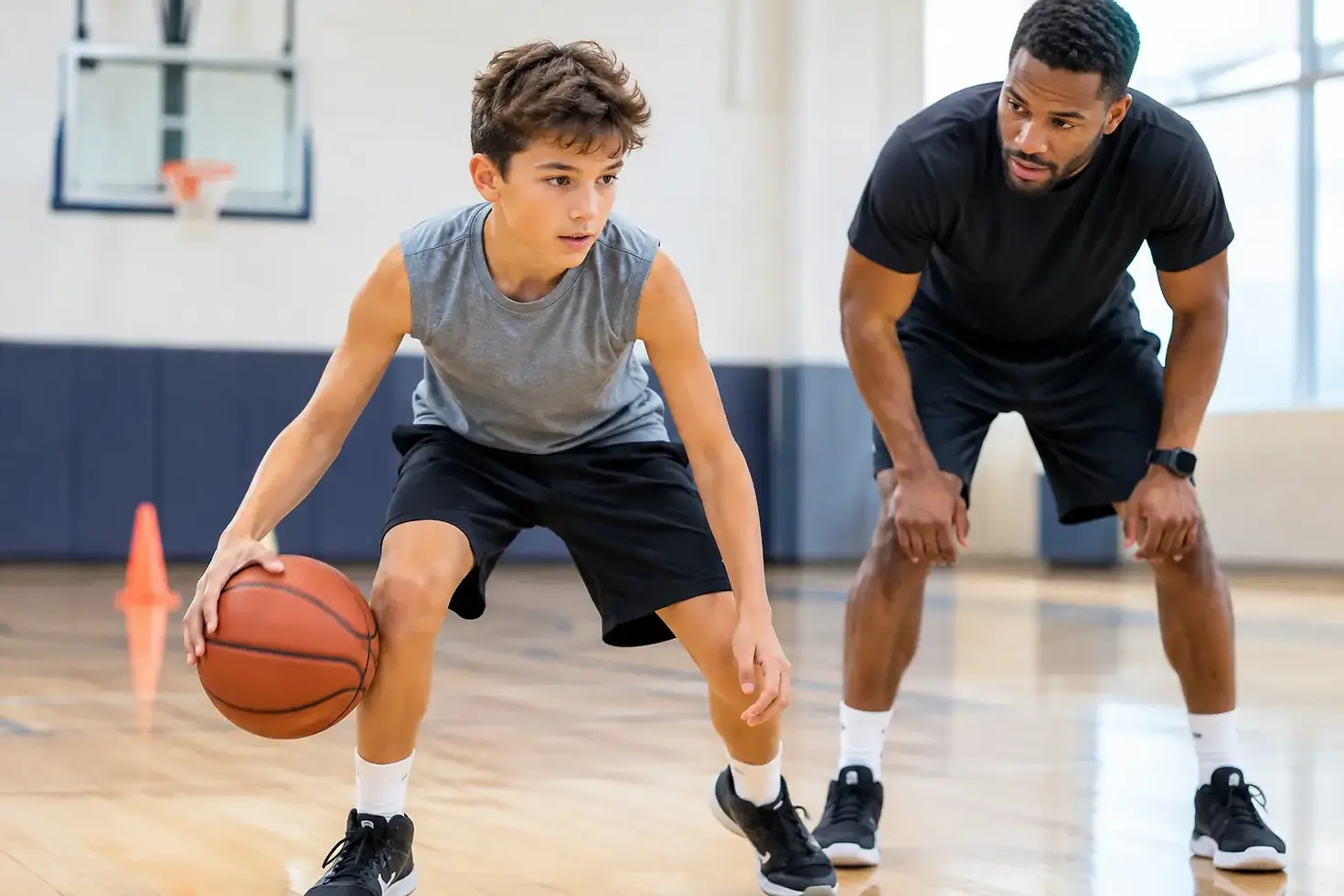
How Youth Summer Basketball Camps Build Better Players

A great summer should not leave a young athlete starting over in the fall. It should give them more confidence with the ball, better habits under pressure, and a clearer understanding of what it means to be a teammate. The right youth summer basketball camps do more than fill school-break schedules. They give players focused reps, honest coaching, and a place to grow.
For families in Palo Alto and across Silicon Valley, the question is not simply whether a camp is fun. It is whether the camp helps a player return to school, tryouts, and team practices more prepared than when summer began. That takes structure. It takes coaches who teach details. And it takes standards that reach beyond the scoreboard.
Why Summer Is a Real Development Window
During the school year, young players balance classes, homework, family commitments, practices, and games. Their basketball time can become rushed. A player may learn a new move on Tuesday, use it once in a game on Saturday, and not revisit it with real focus for another week.
Summer creates a different opportunity. With consistent training sessions, athletes can work on a skill, receive feedback, and repeat it until the movement starts to feel natural. A stronger first step, a cleaner shooting base, a more controlled dribble, or better defensive positioning does not come from hearing a coach explain it once. It comes from purposeful repetition.
That does not mean every summer athlete needs to train all day, every day. Players need rest, family time, and room to be kids. But a well-run camp can make a few concentrated weeks matter. It gives athletes momentum instead of letting months of progress fade.
What Good Youth Summer Basketball Camps Teach
A quality camp should meet players where they are while challenging them to move forward. Beginners need clear foundations. Experienced players need more demanding decision-making, stronger pace, and accountability for the details they may overlook.
Skills That Hold Up in Games
Drills should connect to real basketball. Ball handling matters because players need to protect the ball against pressure, change direction, and create space. Shooting matters because good mechanics help athletes become reliable when a defender closes out. Passing matters because the fastest way to beat pressure is often a smart pass made on time.
Players should also learn how to move without the ball, defend without reaching, communicate on screens, rebound with purpose, and finish through contact. These are not glamorous skills, but they help athletes earn trust from coaches and teammates.
The best instruction explains the why. A player is not just told to stay low on defense. They learn that a strong stance helps them react, slide, and stay in front. They are not just told to make one more pass. They learn to recognize when a teammate has a better shot.
Confidence Built Through Preparation
Confidence is not loudness. It is the belief a player earns after putting in the work. When an athlete sees that they can make ten focused layups with either hand, handle a tougher drill, or recover after a turnover, they start carrying themselves differently.
Camp also gives players a healthy place to make mistakes. Missing a shot, losing a handle, or getting beat on a cut is part of learning. What matters is the response. Great coaches correct the mistake, demand attention, and give the athlete another chance to apply the lesson.
That approach helps players compete without fear. They learn that feedback is not a personal attack. It is a tool for getting better.
Team Habits and Character
Basketball reveals habits quickly. Does a player sprint back on defense after a missed shot? Do they listen when a teammate speaks? Do they encourage the youngest player in the group? Do they own a mistake instead of blaming someone else?
These moments should be part of camp culture, not an afterthought. Young athletes need to understand that talent is valuable, but it does not replace effort, respect, discipline, or team-first behavior. A player who brings energy, communicates, and stays coachable becomes more valuable in every gym they enter.
At KOPA Basketball, development means helping athletes improve their game while building the mindset to lead, compete, and handle challenges with maturity. That is the kind of standard families should look for in a summer program.
How Parents Can Choose the Right Camp
Not all camps serve the same purpose. Some are built around recreation and broad exposure to the sport. Others are designed for players who want skill instruction, competitive reps, and a more serious training environment. Neither option is automatically better. The right choice depends on the athlete's age, experience, goals, and readiness.
Start by looking at how the camp is organized. A strong program has a clear plan for the day, age-appropriate groups, active coaching, and a balance of teaching, drills, and live competition. Players should not spend most of the day standing in long lines or playing unstructured games with little feedback.
Ask how coaches handle different skill levels. Younger or newer players need encouragement and clear instruction without being overwhelmed. More experienced athletes need to be pushed beyond the skills that already feel comfortable. Personalized attention matters because no two players learn at exactly the same pace.
Safety and supervision deserve equal attention. Families should feel confident that coaches set expectations for behavior, communicate clearly, and create an environment where athletes can compete hard without being embarrassed or ignored. High standards and positive coaching belong together.
Help Your Player Get More From Camp
A camp can provide instruction and opportunity, but athletes get the most from it when they arrive ready to engage. Encourage your player to set one or two goals before the first day. Maybe they want to improve their weak-hand dribble, speak up more on defense, or become a more consistent shooter. Specific goals give effort direction.
Remind them that being coachable is a competitive advantage. Players do not need to be perfect. They need to listen, ask questions, apply corrections, and keep working when a drill gets hard. Those habits often separate athletes who improve quickly from athletes who repeat the same mistakes.
Parents can support growth without turning every car ride home into a postgame interview. Instead of asking only, “Did you win?” try questions such as, “What did you work on today?” or “What is one thing your coach told you that you can use tomorrow?” This keeps the focus on learning and effort.
Sleep, hydration, and nutrition matter too. A tired athlete will struggle to focus, recover, and make good decisions. Packing water, arriving on time, and getting enough rest may sound simple, but those routines teach responsibility. The small choices around training shape the quality of training.
The Difference Between Being Busy and Getting Better
A packed summer calendar can look productive while giving a player very little chance to develop. More games do not always mean more growth. If an athlete is repeating the same habits in game after game without instruction or reflection, they may simply be getting better at being comfortable.
Purposeful training creates a different result. It asks players to slow down long enough to correct a footwork issue, build a stronger foundation, and understand how a skill translates to competition. Then it gives them chances to test that work at game speed.
The balance matters. Competition teaches toughness, timing, and decision-making. Skill development gives athletes more tools to use when competition gets difficult. Summer programs should respect both sides of the game.
Carry the Work Into the Fall
The real value of camp shows up after the final day. A player who has built new habits should keep them alive with short, consistent work at home or at the gym. Ten focused minutes of ball handling, form shooting, footwork, or defensive movement can protect the progress made during the summer.
More importantly, athletes should carry the camp mindset with them. Show up ready. Compete with purpose. Treat teammates and coaches with respect. Take responsibility when things do not go your way.
The best summer camp experience gives a young player more than a few good weeks on the court. It gives them proof that disciplined effort changes what they can do, how they respond, and who they can become when the next challenge arrives.


Comments